Building Procurement Resilience
Learn how leading CPOs turn tariff challenges into strategic opportunities through data-driven, resilient procurement.
HOW TARIFFS ARE CREATING NEW PRESSURES FOR PROCUREMENT
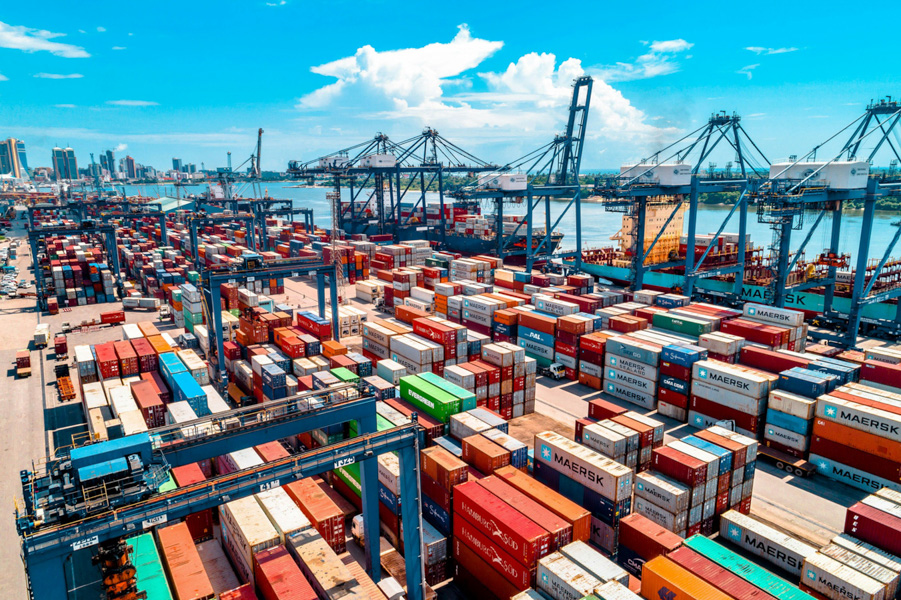
Trade tensions between the US and EU have resurfaced, with 25% tariffs imposed on European cars, steel, and aluminium exports, alongside 20% duties on broader industrial goods. Meanwhile, the EU’s decision to impose countervailing tariffs on Chinese electric vehicles has prompted retaliatory investigations from Beijing into critical European exports.
Procurement teams are encountering rising input costs, longer lead times, and heightened supply chain complexity. The automotive sector (particularly German OEMs), chemicals, steel and aluminium, and machinery and components are among the most affected. Companies must absorb additional costs or renegotiate contracts, while exporters risk losing market share in strategically important developments demand structured, proactive responses — not reactive firefighting.
BUILDING FINANCIAL RESILIENCE INTO PROCUREMENT STRATEGY
Resilience today means more than simply surviving volatility; it is about actively protecting profitability and seizing competitive advantage.H&Z advocates a disciplined three-phase approach:
- Exposure Analysis: Scrutinise product portfolios, supplier bases, and trade routes to assess potential EBIT impacts and identify financial vulnerabilities
- Quantification and Mitigation: Model financial risk and pursue targeted mitigation levers such as supplier renegotiations, alternative sourcing strategies, or tariff engineering
- Supply Chain Resilience: Build structural resilience through supplier diversification, optimised logistics, and nearshoring where appropriate
This framework ensures tariff risks are actively managed, aligning procurement decisions with corporate financial goals and transforming procurement from a cost centre into a stabilising force within the organisation.
EMBEDDING RESILIENCE THROUGH NEXTGEN CATEGORY MANAGEMENT
However, true procurement resilience goes beyond immediate tariff mitigation. It requires a fundamental shift in how categories are managed.
At H&Z, we see NextGen Category Management as a critical enabler of resilience. By embedding risk analysis, supplier diversification, and geopolitical intelligence directly into category strategies, procurement leaders can proactively shape supply markets, build greater flexibility, and create sustainable value.
This means moving beyond cost as the sole driver and developing sourcing strategies that incorporate resilience, sustainability, and agility as core value drivers. Aligning financial resilience with dynamic category thinking allows CPOs to future-proof their procurement functions against continued volatility.
For more on this topic, be sure to read our strategy paper: Enabling NextGen Category Management
SCENARIO PLANNING: PREPARING FOR THE NEXT SHOCK
In today’s fast-moving trade environment, scenario planning has become essential. Leading organisations model different tariff scenarios to assess cost impacts, identify vulnerable spend categories, develop contingency sourcing options, and build greater agility into supplier contracts and logistics frameworks.
Those who invest now in robust scenario planning will be far better placed to manage future shocks with confidence and speed, avoiding costly surprises that could disrupt operations and erode margins.
BEYOND COST: MANAGING SUPPLY CHAIN COMPLEXITY
The impact of tariffs extends well beyond direct cost increases. Procurement leaders must also navigate regulatory complexity, heightened working capital requirements, increased stockholding, and longer lead times resulting from supply chain rerouting.
Addressing these challenges demands a cross-functional approach — aligning procurement, finance, legal, operations, and logistics functions to create cohesive, organisation-wide responses to geopolitical , procurement must stay alert to future threats, such as potential anti-dumping measures from the EU in response to Chinese exports. Agility and foresight are now essential components of successful sourcing strategies.
THE STRATEGIC ADVANTAGE OF MASTERING PROCUREMENT RESILIENCE
While the risks are tangible, the opportunities for those who act decisively are significant. Organisations that build resilience into their procurement functions can protect margins, strengthen supplier partnerships, negotiate from a position of strength, and ensure supply continuity even in turbulent conditions.
Mastering procurement resilience turns uncertainty into strategic advantage — positioning procurement as a key contributor to enterprise stability and growth.
EXPLORE OUR STRATEGY PAPER
For deeper insights into managing tariff risks and building procurement resilience, explore our strategy paper Managing Geopolitical Uncertainty & Tariff Avoidance.