The Procurement Opportunity in Business Separation
How can business separation strengthen procurement’s contribution? Keenfinity and MacGregor show how building independence can deliver savings and lasting performance.
When a business separates from its parent company, procurement must keep the business supplied while establishing how it will operate independently. The pressure to replace processes and meet financial targets can leave little time to reconsider the function itself.
Yet separation makes that reconsideration necessary. Arrangements inherited from a parent company may not suit the independent business’s scale, priorities or resources. Decisions about spending, responsibilities and supplier relationships deserve scrutiny as the new organisation takes shape.
We see an opportunity to build procurement around the needs of the independent business, with financial improvement guiding those decisions. Our work with Keenfinity and MacGregor illustrates two aspects of that opportunity: establishing independent structures and strengthening procurement’s business contribution.
RECONSIDER WHAT THE BUSINESS NEEDS
Replacing a parent company’s procurement arrangements involves choices about how the new business will work. Reproducing familiar processes can also preserve limitations. The starting point should be the independent company’s requirements, including where procurement needs to improve performance.
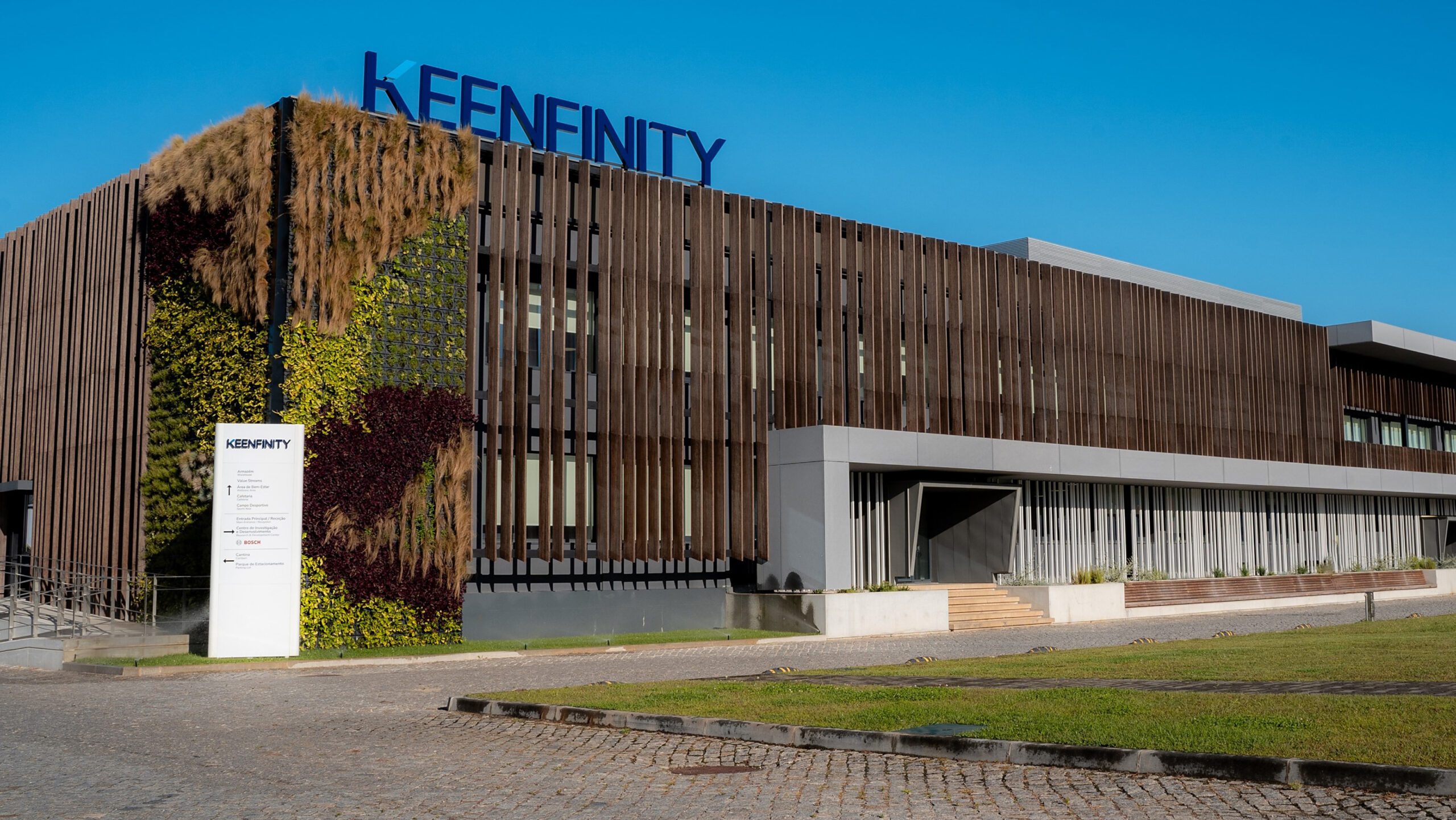
Keenfinity faced this task following the carve-out of Bosch’s security and communication technology business. Established procurement structures needed replacing while operations continued, against a backdrop of tariff pressures and supply chain volatility.
The team assessed opportunities across procurement categories and manufacturing sites, then implemented initiatives addressing cost, performance and supplier collaboration. Procurement, operations, engineering and finance worked together as the independent function developed. This connected organisational decisions with the work procurement needed to deliver.
MacGregor’s separation from Hiab, formerly Cargotec, exposed a different set of priorities. Procurement faced fragmented spending, decentralised decisions and limited business partnering. Operational processes absorbed effort, while the function’s contribution to savings remained limited.

The opportunity was to address those constraints as MacGregor established its independent procurement function under Triton ownership. Its objectives combined profit improvement, an independent Purchase-to-Pay process and the ability to support future growth.
These cases suggest a useful starting point: identify which inherited arrangements support the independent business and which constrain it. That assessment gives organisational change a commercial purpose.
IMPROVE PERFORMANCE WHILE ESTABLISHING INDEPENDENCE
Procurement teams face a practical tension during separation. They must devote attention to operational stability while meeting expectations for savings. Treating these as consecutive tasks risks postponing financial improvements until an uncertain point when the organisation feels ready.
At MacGregor, we embedded a team within procurement to identify and implement improvements while stabilising processes. Governance established accountability and visibility, and coordination with finance and leadership supported the credibility of outcomes. Delivery and organisational development progressed together.
Keenfinity also began implementing improvements during separation. Its programme addressed supplier collaboration and performance alongside costs, with procurement leadership and other functions involved throughout.
The lesson is about how to organise the work. Immediate initiatives need clear ownership and a way to assess results. Those same requirements help establish the responsibilities and working relationships of the independent function.
This also explains why procurement cannot build its role in isolation. Engineering and operations bring requirements that affect sourcing decisions. Finance helps connect procurement outcomes with business performance. Involving these functions during implementation gives collaboration a practical purpose from the outset.
JUDGE PROGRESS BEYOND THE SAVINGS TARGET
Both projects exceeded their savings expectations. Keenfinity surpassed its business plan assumptions, while MacGregor delivered above its original target with clear visibility of the savings run rate.
Those results establish the financial case. The organisational outcomes show what changed in procurement’s ability to keep contributing.
Keenfinity established an independent procurement organisation, strengthened collaboration across functions and developed more structured, resilient supplier relationships. MacGregor improved cost control, reduced operational friction and optimised its Purchase-to-Pay processes. Leadership and owners gained greater transparency, and procurement gained recognition as a strategic contributor.
For a business managing separation, this points to two connected measures of progress: the improvements procurement delivers and its capacity to sustain them. Savings alone cannot show whether responsibilities are clear, processes work effectively or the business involves procurement in the right decisions.
The opportunity in a business separation lies in establishing those conditions while the organisation is already changing. Keenfinity and MacGregor demonstrate that procurement can deliver against immediate expectations and use the same period to strengthen its future contribution.

“
A business separation is a chance to build procurement around the needs of the independent company, delivering savings from day one while establishing the governance, supplier relationships and cross-functional influence required for sustained performance.
“

Read the full Keenfinity and MacGregor success stories.