US Tariffs: Auto Exports
US tariffs hit European automotive and industrial exporters. Three moves for suppliers: check exposure, renegotiate contracts and adapt the supply chain.
HOW NEW US TARIFFS WILL IMPACT AUTOMOTIVE AND EXPORT-DRIVEN BUSINESSES
The latest US tariffs on European automotive exports signal a sharp escalation in ongoing trade tensions between the United States and the European Union. For companies across DACH and the UK — especially in automotive, industrial goods, and machinery — the consequences are immediate and potentially significant.
The new tariffs are part of a wider programme of “reciprocal tariffs” targeting global exporters, with the EU facing a 20% average rate and specific 25% duties on automotive goods. These measures, effective from April 5, signal a renewed period of global trade volatility.
With tariffs ranging from 10% to 25%, the Trump 2.0 administration aims to correct perceived trade imbalances and boost domestic production. But for European exporters, this means mounting costs, disrupted operations, and intensifying uncertainty — especially for businesses already facing supply chain instability and inflationary pressure.
ARE YOU EXPOSED?
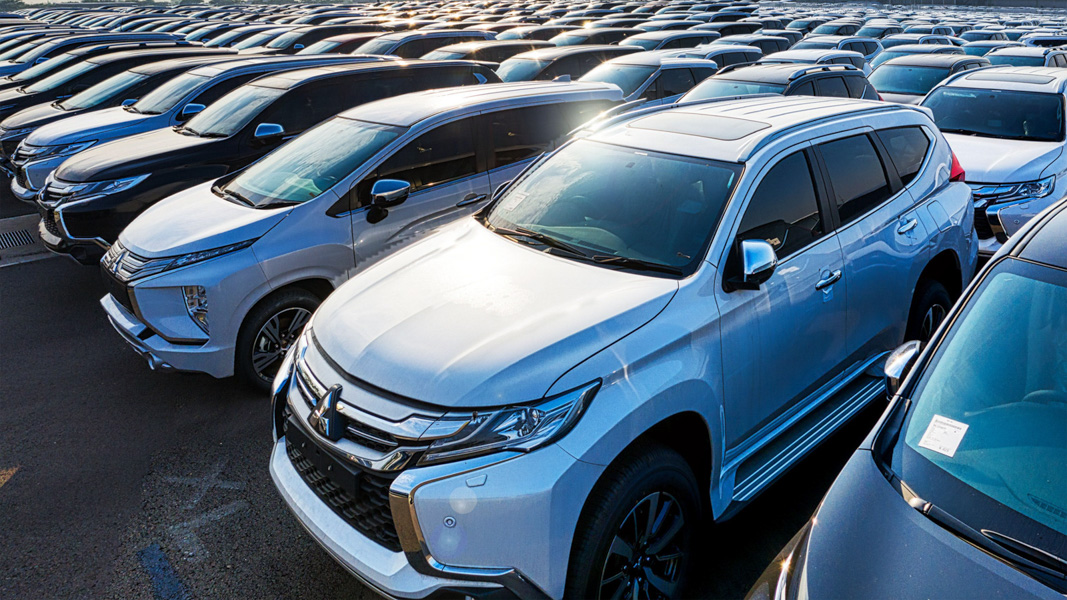
The EU’s automotive sector is highly vulnerable. Germany and Italy are among the top exporters of vehicles and parts to the US, making them especially exposed to rising trade barriers.
Germany alone sends around 10% of its exports to the United States, much of it tied to automotive, machinery, and transport equipment. Major manufacturers like Volkswagen, BMW, and Mercedes-Benz could face direct losses if tariffs cause price surges, delivery issues, or loss of competitiveness.
And all of this is happening while many European manufacturers are still navigating broader geopolitical instability, carbon reduction demands, and ongoing supply chain realignments.
With US tariffs now also covering sectors like steel, aluminium, and chemicals, pressure may build across entire industrial value chains — not just automotive.
MANAGING GEOPOLITICAL UNCERTAINTY & TARIFF AVOIDANCE – PREPARING YOUR BUSINESS FOR FUTURE RISKS
Managing Geopolitical Uncertainty & Tariff Avoidance – Preparing Your Business for Future Risks
GET IN CONTACT WITH OUR EXPERT
Dr. Markus Contzen
Markus leads H&Z’s Private Equity industry with over 20 years of experience across the full investment lifecycle driving measurable value creation. As a Partner, he also supports H&Z’s focus on Operational Excellence.